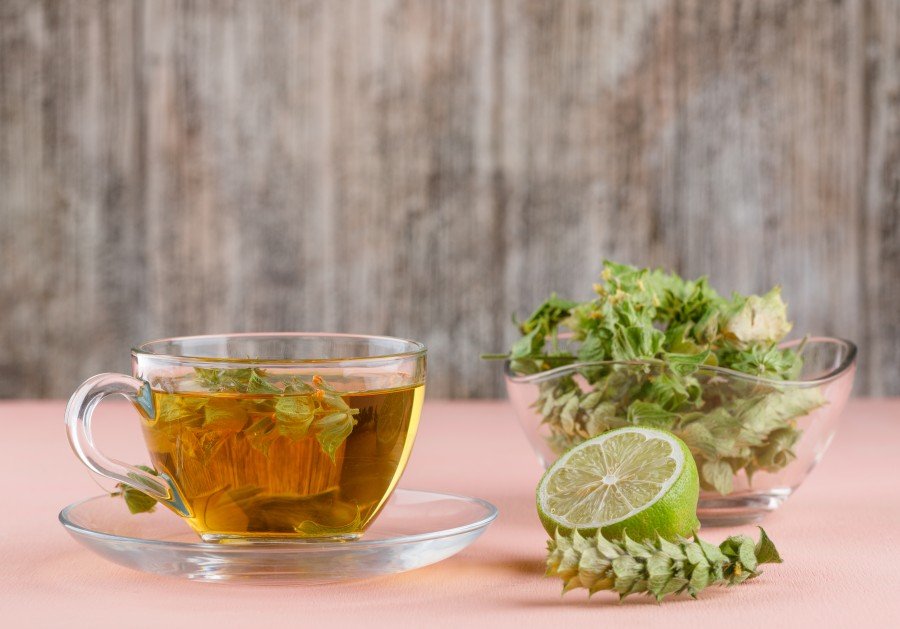
Choosing a herbal tea is about more than finding a pleasant flavour. The quality of the herbs, sourcing practices, processing methods, storage conditions, and packaging can all affect the final product. A reliable Herbal Tea Manufacturer in Indirapuram focuses on these details to maintain consistency and freshness from raw ingredients to the finished tea blend.
For businesses, retailers, wellness brands, and consumers, understanding the manufacturing process can make it easier to assess product quality and select a suitable supplier.
Want a direct connection with us on WhatsApp? Click now.
A Herbal Tea Manufacturer in Indirapuram can maintain quality and freshness through careful ingredient sourcing, quality checks, hygienic processing, controlled storage, accurate blending, and suitable packaging. Proper handling helps protect the aroma, flavour, appearance, and overall consistency of herbal tea throughout its shelf life.
Why Quality Matters in Herbal Tea Manufacturing
Herbal tea blends may contain dried leaves, flowers, roots, spices, fruits, seeds, or other botanical ingredients. Each ingredient has different characteristics and storage requirements.
Poor-quality raw materials or unsuitable storage can affect colour, aroma, taste, and freshness. That is why quality control needs to begin before the ingredients reach the production floor.
A professional manufacturer typically considers:
- Ingredient identity and quality
- Cleanliness and handling practices
- Moisture control
- Blending consistency
- Packaging suitability
- Storage conditions
- Batch traceability
- Shelf-life considerations
These steps help create a more consistent product and reduce avoidable quality variations between batches.
How a Herbal Tea Manufacturer in Indirapuram Maintains Quality
1. Careful Selection of Raw Ingredients
Quality starts with the raw materials. Manufacturers need reliable sources for herbs, flowers, spices, and other botanical ingredients.
Ingredients should be appropriately identified, inspected, and stored before processing. Depending on the product, checks may include appearance, aroma, moisture, foreign matter, and other relevant quality parameters.
Responsible sourcing also helps manufacturers maintain a consistent formulation rather than relying on ingredients that vary significantly from one batch to another.
2. Hygienic Processing and Handling
Herbal ingredients can be sensitive to moisture, contamination, and improper handling. A clean production environment is therefore an important part of food manufacturing.
Equipment, work surfaces, storage areas, and packaging zones should be managed according to appropriate food-safety and hygiene practices. Employees should also follow suitable handling procedures.
The objective is straightforward: protect the ingredients throughout processing rather than trying to correct quality problems at the end.
3. Controlled Blending for Consistency
A herbal tea blend may contain several ingredients in carefully selected proportions. Consistent blending is important because a change in the ratio can alter the flavour, aroma, colour, and overall character of the finished product.
Manufacturers can use defined formulations and batch procedures to improve consistency. Proper weighing and controlled mixing also make it easier to reproduce the same blend across multiple production runs.
This is particularly important for businesses purchasing herbal tea in bulk or developing products under a private-label arrangement.
Protecting Freshness During Storage and Packaging
Freshness does not depend only on the manufacturing process. Storage and packaging play an equally important role.
Moisture and Temperature Control
Many dried botanical ingredients can absorb moisture from the surrounding environment. Excess moisture may affect texture, aroma, stability, and storage quality.
For this reason, herbal tea ingredients and finished products should be stored in suitable conditions and protected from unnecessary exposure to humidity, heat, and direct sunlight.
Suitable Packaging
Packaging creates a protective barrier between the tea and its surrounding environment. Depending on the product and intended shelf life, manufacturers may select appropriate pouches, boxes, sachets, or other food-grade packaging formats.
Good packaging should help protect the contents from factors such as:
- Moisture
- Air exposure
- Light
- External odours
- Physical contamination
The right packaging format depends on the formulation, product specifications, distribution conditions, and intended use.
Quality Checks Before the Product Reaches Customers
A reliable manufacturing process does not end when blending is complete. Finished products may undergo appropriate quality checks before release.
These checks can help identify issues involving appearance, packaging integrity, labelling, batch information, or other product specifications.
Documentation is also valuable. Batch records and traceability systems can help manufacturers identify when and how a product was produced and support better quality management.
For businesses sourcing herbal tea commercially, asking about quality-control procedures, documentation, packaging specifications, and applicable food-safety requirements can provide useful insight into a manufacturer's processes.
What Should Businesses Look for in a Herbal Tea Manufacturer?
If you are comparing suppliers in Indirapuram or nearby areas, avoid choosing solely on price. Consider the complete manufacturing and supply process.
Look for a manufacturer that can clearly explain:
- Where key ingredients are sourced
- How raw materials are inspected
- How blends are formulated and produced
- What hygiene and quality procedures are followed
- How finished products are packed and stored
- Whether batch information and documentation are maintained
- What customization or private-label options are available, if required
Clear answers to these questions can help businesses make a more informed purchasing decision.
Why Local Manufacturing Can Be Convenient
Working with a manufacturer in or around Indirapuram can offer practical advantages for businesses operating in Ghaziabad, Noida, East Delhi, and nearby markets. Local proximity may make communication, product discussions, sampling, order coordination, and logistics more convenient.
However, location should be considered alongside manufacturing capabilities, product quality, consistency, compliance, and service requirements.
A nearby supplier is useful only when its production processes and product specifications also match your needs.
Frequently Asked Questions
1. How does a herbal tea manufacturer maintain freshness?
Freshness is supported through proper raw-material handling, controlled storage, hygienic processing, and suitable packaging. Manufacturers should protect dried herbs and finished blends from excessive moisture, heat, light, air exposure, and external contamination. The appropriate approach depends on the specific ingredients and packaging format.
2. What should I check before choosing a herbal tea manufacturer?
Check the manufacturer's ingredient sourcing, quality-control procedures, production hygiene, storage practices, packaging options, batch traceability, and applicable food-safety requirements. If you need a customized blend or private-label product, also ask about formulation support, minimum order quantities, sampling, and production capabilities.
3. Can herbal tea manufacturers create customized blends?
Yes, some manufacturers offer customized herbal tea formulations based on a client's ingredient preferences, flavour profile, packaging requirements, or intended market. However, available options vary between manufacturers. Businesses should discuss the formulation, ingredient specifications, packaging, minimum order quantity, and applicable regulatory requirements before placing a production order.
4. How should herbal tea be stored after manufacturing?
Herbal tea should generally be kept in its recommended packaging and stored in a cool, dry place away from direct sunlight, excessive heat, moisture, and strong external odours. Always follow the storage instructions provided for the specific product because different ingredients and packaging formats may have different requirements.
5. Is a local manufacturer in Indirapuram suitable for bulk herbal tea orders?
A local manufacturer can be suitable for bulk orders when its production capacity, quality procedures, product specifications, packaging options, and delivery capabilities meet the buyer's requirements. Businesses should evaluate these factors rather than selecting a supplier based on location alone.
Conclusion
Quality herbal tea depends on careful attention at every stage, from selecting botanical ingredients to processing, blending, storage, and packaging. A dependable Herbal Tea Manufacturer in Indirapuram should be able to explain how it maintains consistency, protects ingredients from moisture and contamination, and manages finished products.
For businesses looking for a manufacturing partner, the best approach is to ask practical questions about sourcing, quality control, packaging, documentation, and production capabilities. Taking time to understand these processes can help you select a supplier that fits your product and business requirements. Before finalising an order, discuss your formulation, packaging, quantity, and quality expectations directly with GoSowa.