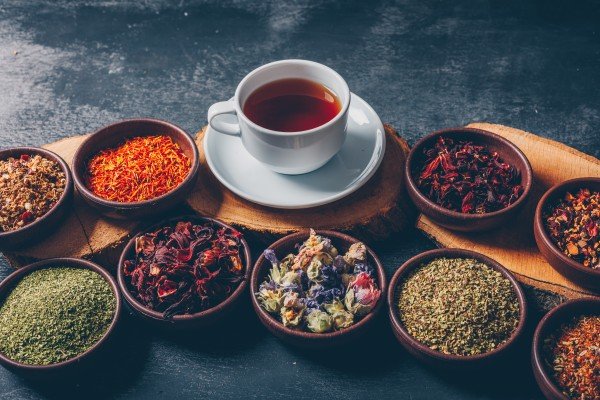
Herbal tea has become a popular choice for people exploring caffeine-free beverages, distinctive flavours, and plant-based ingredients. For retailers, distributors, cafés, and emerging tea brands, finding a dependable Herbal Tea Manufacturer in Ghaziabad can be an important step towards offering consistent, high-quality products. However, choosing a manufacturer involves more than comparing prices. Buyers should understand ingredient sourcing, processing methods, hygiene practices, packaging, and quality control before making a decision.
Want a direct connection with us on WhatsApp? Click now.
A herbal tea manufacturer in Ghaziabad produces herbal infusions by sourcing, cleaning, drying, blending, testing, and packaging ingredients such as tulsi, ginger, peppermint, and lemongrass. Buyers should evaluate ingredient quality, food safety practices, batch consistency, packaging, documentation, and delivery terms before choosing a manufacturer for retail, wholesale, or private-label supply.
What Does a Herbal Tea Manufacturer Do?
A herbal tea manufacturer transforms selected plant ingredients into ready-to-brew products. Depending on the recipe, these ingredients may include tulsi, ginger, peppermint, chamomile, lemongrass, hibiscus, and other edible herbs, flowers, roots, or spices.
Unlike traditional tea made from Camellia sinensis leaves, herbal infusions generally use other plants and may naturally contain no caffeine. However, the caffeine content depends on the ingredients, so blends containing conventional tea leaves are different from purely herbal infusions.
Manufacturers may handle several stages of production, including sourcing, cleaning, drying, cutting, blending, testing, and packaging. Some also offer bulk supply or private-label services, allowing businesses to sell products under their own brand names.
How Is Herbal Tea Manufactured?
Understanding the production process helps buyers evaluate whether a supplier follows suitable practices and can deliver consistent products.
1. Selecting and Sourcing Raw Ingredients
Production begins with choosing suitable herbs and botanicals. Their quality depends on factors such as botanical identity, growing conditions, harvesting, storage, and handling.
Responsible manufacturers should be able to explain where ingredients come from and what checks they perform. Buyers should ask whether suppliers assess identity, moisture, contamination risks, and relevant pesticide or microbiological requirements.
2. Cleaning, Drying, and Processing
Raw ingredients may require cleaning to remove unwanted foreign material. Drying helps reduce moisture, which is important because excessive moisture can encourage mould and spoilage.
Processing methods vary by ingredient. Leaves, flowers, roots, and spices may require different cutting sizes and handling conditions. Manufacturers should use suitable processes that preserve the intended aroma, appearance, and flavour while maintaining product safety.
3. Blending Ingredients
Blending combines selected ingredients in defined proportions to achieve a consistent taste and aroma. For example, a blend might combine lemongrass with ginger or peppermint with other compatible botanicals.
A reliable production process uses documented formulations and controlled measurements. This helps reduce variation between batches and makes it easier to investigate quality issues when they arise.
4. Quality Checks and Packaging
Before packaging, manufacturers should conduct appropriate checks based on the ingredients, product specifications, and applicable regulations. These may include identity, moisture, microbiological quality, contaminants, and sensory characteristics.
The finished blend is then packed in suitable food-contact packaging. Sealed pouches, tea bags, or containers should protect the product from moisture, light, air, and contamination as appropriate.
What Determines the Quality of Herbal Tea?
A good herbal tea starts with suitable ingredients and continues through careful processing and storage. Buyers should evaluate the complete production system rather than judging quality by colour or aroma alone.
Important factors include:
- Ingredient authenticity: The declared herbs should match the actual ingredients used.
- Freshness and storage: Ingredients should be stored under suitable conditions to limit moisture exposure and deterioration.
- Consistent formulation: Each batch should follow the agreed recipe and product specifications.
- Food safety: Appropriate controls should address microbiological hazards, contaminants, and other relevant risks.
- Traceability: Batch records should help identify ingredient sources and track finished products.
- Clear labelling: Ingredient lists, net quantity, batch details, date markings, and other required declarations should be accurate and legible.
Manufacturers should also be prepared to explain how they handle complaints, non-conforming batches, and product recalls where necessary.
How to Choose a Herbal Tea Manufacturer in Ghaziabad
Ghaziabad businesses may be looking for a supplier for retail shelves, online stores, hospitality operations, or wholesale distribution. Before selecting a manufacturer, compare the following practical considerations.
Check Manufacturing and Food Safety Practices
Ask about the production facility, hygiene procedures, ingredient handling, testing arrangements, and relevant food business licences. In India, verify applicable FSSAI licensing or registration requirements and check that the details match the business and products concerned.
Do not rely on a certificate or licence claim alone. Confirm its validity, scope, and relevance to the products being supplied.
Compare Product Range and Customisation
Some buyers need established herbal blends, while others want a particular flavour profile, ingredient combination, or packaging format. Confirm which options the manufacturer actually supports and whether changes affect minimum order quantities, lead times, or pricing.
Review Minimum Orders, Pricing, and Delivery
Request a written quotation covering product specifications, order quantity, packaging, taxes, delivery charges, payment terms, and expected dispatch timelines. Comparing quotations on the same basis makes it easier to assess value instead of choosing solely by the lowest price.
Request Samples and Documentation
Where available, assess samples for aroma, taste, appearance, and consistency. Ask for relevant product specifications and test reports, where applicable. A sample can help evaluate sensory quality, but it cannot replace appropriate safety testing or verification of manufacturing practices.
Wholesale and Private-Label Herbal Tea Options
Businesses planning to sell herbal tea may choose between purchasing an existing product for resale and developing a private-label range. The right arrangement depends on budget, expected demand, product positioning, and the level of customisation required.
Wholesale purchasing may suit retailers, distributors, cafés, and wellness stores that want ready-made products. Private-label manufacturing may suit businesses that want their own branding, selected blends, or customised packaging.
Before placing an order, clarify who is responsible for artwork, label compliance, ingredient declarations, shelf-life substantiation, testing, and batch release. Also confirm minimum quantities, ownership of custom formulations, and procedures for repeat orders.
These details help prevent misunderstandings and make long-term supply arrangements easier to manage.
Packaging and Storage: Protecting Herbal Tea Quality
Even well-made herbal tea can deteriorate if packaging or storage is unsuitable. Moisture can encourage mould, while exposure to air, heat, light, or strong odours can affect flavour and aroma.
Manufacturers should select food-grade packaging suitable for the product and intended storage conditions. Buyers should store finished products in a clean, dry environment away from direct sunlight, humidity, and strong-smelling materials.
Shelf-life dates should be supported by appropriate evidence rather than guesswork. Businesses should follow the manufacturer's storage instructions and rotate inventory using a suitable stock-control system.
Why Local Buyers Should Evaluate Suppliers Carefully
Working with a supplier serving Ghaziabad and nearby markets may make communication, sample reviews, and delivery coordination more convenient. However, location alone does not establish product quality or reliability.
Whether considering Go Sowa or another potential supplier, buyers should review the available product range, verify relevant credentials, request clear specifications, and discuss supply requirements directly. A well-documented process and transparent communication are more useful indicators than broad claims about quality or health benefits.
Choosing a supplier through these checks can help businesses build a more dependable herbal tea offering while giving customers clearer information about the products they purchase.
Frequently Asked Questions
1. How do I choose a reliable herbal tea manufacturer in Ghaziabad?
Compare ingredient sourcing, manufacturing hygiene, applicable food licences, quality testing, product consistency, and packaging options. Request samples and relevant documentation before placing an order. Also compare minimum order quantities, pricing, delivery schedules, and communication. A reliable supplier should clearly explain its processes and provide accurate product information.
2. What ingredients are commonly used in herbal tea manufacturing?
Common ingredients include tulsi, ginger, lemongrass, peppermint, chamomile, hibiscus, and selected spices or edible botanicals. The choice depends on the intended flavour, formulation, and product requirements. Manufacturers should verify ingredient identity and suitability for food use, and disclose all ingredients accurately on the product label.
3. What quality checks should herbal tea manufacturers perform?
Quality checks depend on the ingredients and product risks. They may include botanical identity, moisture levels, microbiological testing, pesticide residues, heavy metals, foreign matter, and sensory characteristics. Buyers should ask which checks are performed, how often testing occurs, and whether relevant batch-specific reports or product specifications are available.
4. Can businesses order bulk or private-label herbal tea?
Some manufacturers offer bulk supply or private-label services, but availability varies by supplier. Before ordering, confirm minimum quantities, blend customisation, packaging formats, branding responsibilities, lead times, and pricing. Businesses should also clarify label compliance, product testing, shelf-life evidence, and repeat-order arrangements before approving production.
5. How can I assess a herbal tea supplier serving Ghaziabad?
Ask for product samples, ingredient specifications, applicable licence details, and relevant quality documentation. Discuss delivery coverage, storage recommendations, order quantities, and complaint-handling procedures. If the supplier offers a facility visit, use it to understand its production and hygiene practices. Verify important claims rather than relying on marketing descriptions alone.
FAQ Schema Recommendation
FAQ content can help readers find clear answers to common purchasing questions. However, Google generally limits FAQ rich results to well-known, authoritative government-focused and health-focused websites. For a commercial herbal tea website such as Go Sowa, FAQPage schema is unlikely to provide a Google FAQ rich-result benefit. Keep the FAQs visible and useful; prioritise accurate BlogPosting structured data for this article.
Conclusion
Choosing the right Herbal Tea Manufacturer in Ghaziabad requires careful consideration of ingredient quality, production practices, food safety, packaging, and supply reliability. Whether you are a retailer, distributor, café owner, or entrepreneur developing a tea brand, understanding these factors can help you make a more informed purchasing decision. Before placing an order, review product samples, verify relevant licences, compare specifications, and clarify pricing and delivery terms. If you are exploring herbal tea options through Go Sowa, visit the website to learn more about its available products and contact the business for information relevant to your requirements. A transparent supplier relationship is a practical foundation for consistent product quality and long-term business growth.